Have You Ever Wondered What Determines Your Hydraulic Cylinder’s Lifespan?
Surface Treatment Process for Hydraulic Cylinders: More Than Just Appearance - It's About Core Quality
Have You Ever Wondered What Determines Your Hydraulic Cylinder’s Lifespan?
Over my twenty-year career designing and manufacturing hydraulic cylinders, one question stands out: “How long will your cylinder last?” My answer remains consistent—it starts with the quality of surface treatment beneath the paint. A scratch, rust residue, or even a smear of oil can become corrosion’s “Trojan horse,” undermining protection from within. Today, we examine this foundational process that defines cylinder durability.
Surface treatment isn’t just about rust removal and painting—it’s a systematic, step-by-step process. Proper preparation ensures coating adhesion and long-term performance, directly impacting resistance to wear, leaks, and failures in harsh conditions.
Before diving into specifics, consider this: Surface treatment defects cause over 60% of premature cylinder failures. Now, let’s explore why each stage matters—and how skipping steps compromises longevity.

Stage 1: Pre-Treatment – Why Is “Cleaning Before Cleaning” Non-Negotiable?
Ever seen paint bubble or peel prematurely? Oil or dirt trapped underneath is often the culprit. Pre-treatment eliminates contaminants that sabotage coating bonds.
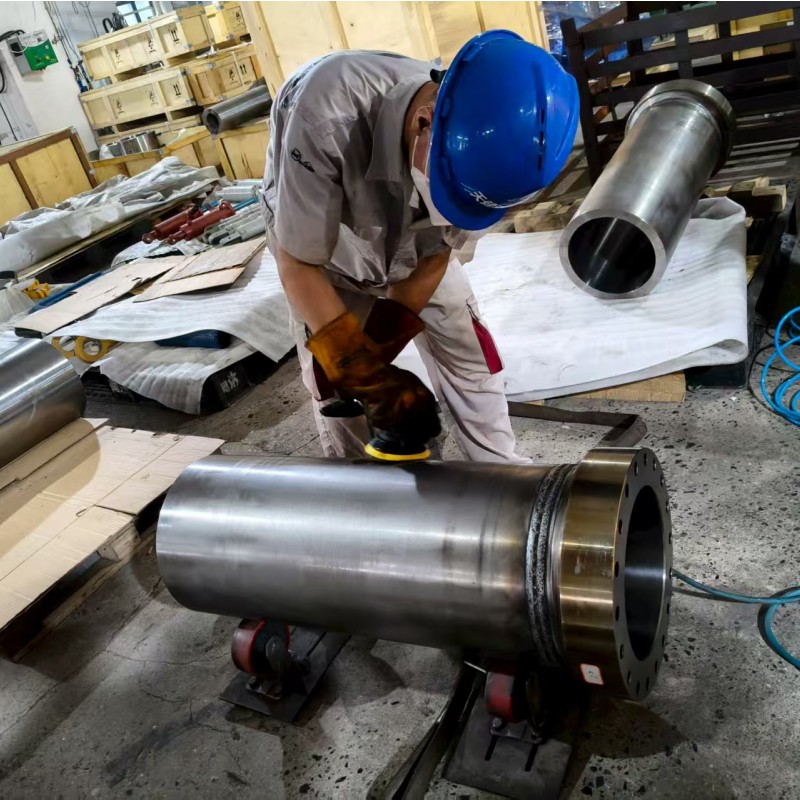
Initial cleaning removes loose debris like grease, sludge, or weld spatter. Methods vary by cylinder size and contamination:
Scraping: For thick grease/deposits.
Brushing: Wire brushes (manual/powered) tackle loose rust/old paint.
Pressure washing: Effective for large, heavily soiled cylinders (e.g., mining equipment).
Key point: This step lightens the load for subsequent—it doesn’t require bare metal yet.
Degreasing: The Make-or-Break Step Most Suppliers Rush
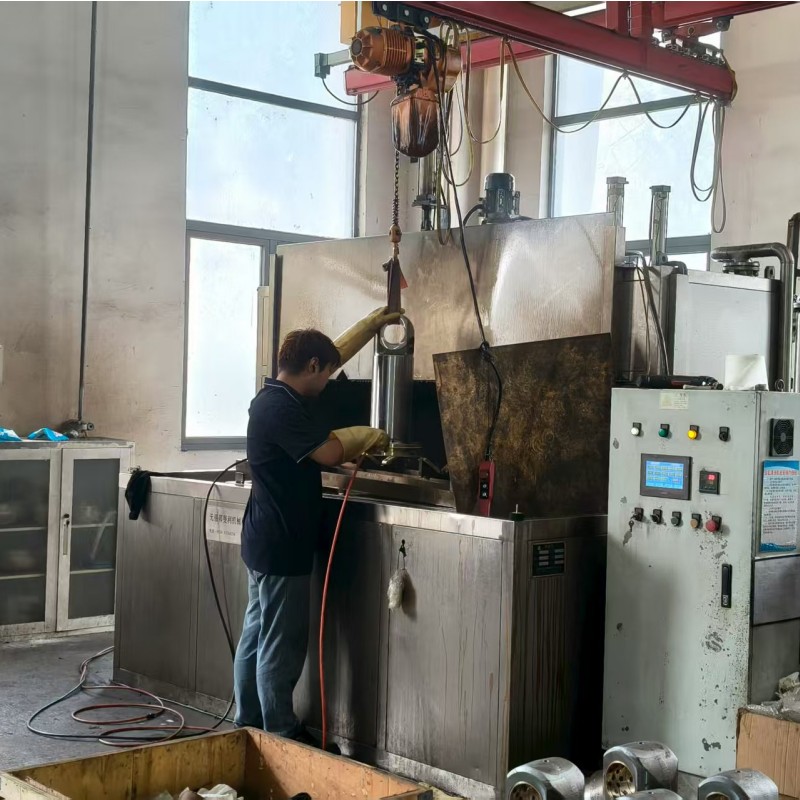
Residual oil prevents coatings from adhering, causing bubbles or delamination. Solutions include:
- Method Best For Effectiveness
Solvent wiping Small batches; intricate areas High
Emulsion wash Mid-volume; water-based cleaners Moderate-High
Alkaline soak Large-scale production lines Highest
Test: After degreasing, water should form an unbroken film(not beads) for ≥30 seconds. Failures demand re-cleaning.
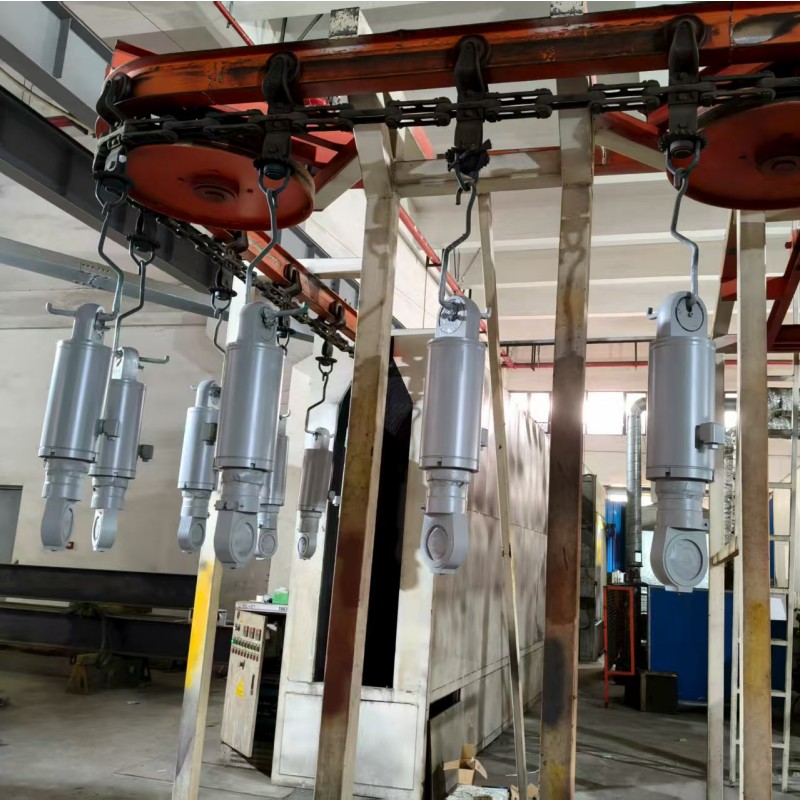
Stage 2: Derusting – How Does “Bare Metal” Quality Impact Performance?
Rust and old coatings must be totally removed to expose uniform metal with controlled roughness (anchor profile).
Options:
Hand/Power Tools (ISO St2-St3)
St2: Removes loose material; some stubborn stains remain.
St3 (Our Minimum Standard): Metal shineslightly; only faint shadows permitted.
Tools: Angle grinders with wire wheels, abrasive discs, or needle scalers.
Pros: Low-cost; flexible.
Cons: Labor-intensive; inconsistent edges/welds.
Abrasive Blasting (ISO Sa2-Sa3)
Ideal for harsh environments (marine, offshore, heavy machinery):
Corresponding standards: Sa1, Sa2, Sa2.5, and Sa3 as defined in ISO 8501-1:2007. This is the preferred and required process for cylinders used in high-end, heavily corrosive environments (such as ships, offshore platforms, and construction machinery).
Sa2: Thorough blasting: Removes virtually all scale, rust, and foreign matter. Any residue should be limited to slight spots or streaks of color.
Sa2.5: Very thorough blasting (the most commonly used standard in the industry): Completely removes scale, rust, and foreign matter, with only a very small amount of extremely tenacious residue permitted. The surface exhibits a uniform metallic color (off-white). This is the standard for high-quality cylinders.
Sa3: White blasting: Completely removes all foreign matter, resulting in a uniform, pure metallic color.
Abrasives: Steel shot, steel grit, copper slag, quartz sand, garnet, etc. Different abrasives produce different surface roughness (anchor patterns) and must be matched to the coating design.
Advantages: extremely high efficiency, thorough treatment, uniform roughness, and optimal coating adhesion.
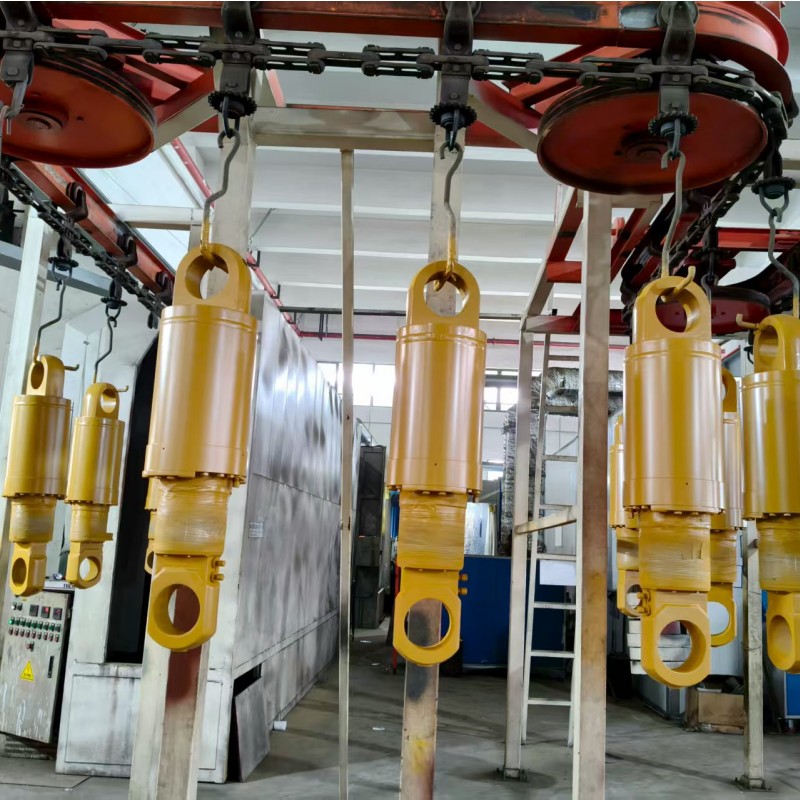
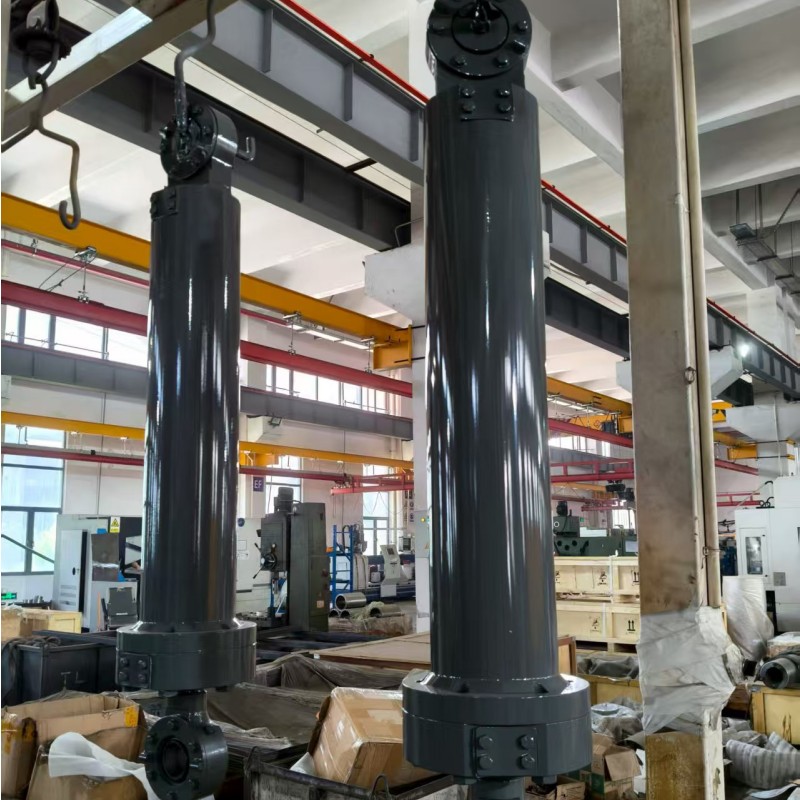
Stage 3: Post-Treatment – Why Immediate Coating Matters
Even flawless derusting fails if:
Dust remains: Compressed air/vacuums remove abrasive residues.
Humidity >85%: Prompts flash rust—coat within 4 hours.
Sharp edges exist: Rounded welds prevent coating thinning.
Our Commitment: Where Surface Meets Sustainability
We enforce Sa2.5+ blasting and oil-free environments to meet stringent demands of water-based paints—an eco-friendly choice requiring meticulous prep. This rigor backs our 18-month warranty, a testament to durability engineered from the ground up.
Conclusion
Surface treatment isn’t cosmetic—it’s your cylinder’s first defense. Invest in proper cleaning, derusting, and coating, or pay dearly in repairs. Choose wisely.