Main hydraulic cylinder parts and their functions
What Are the Key Components of a Hydraulic Cylinder and Why Do They Matter?
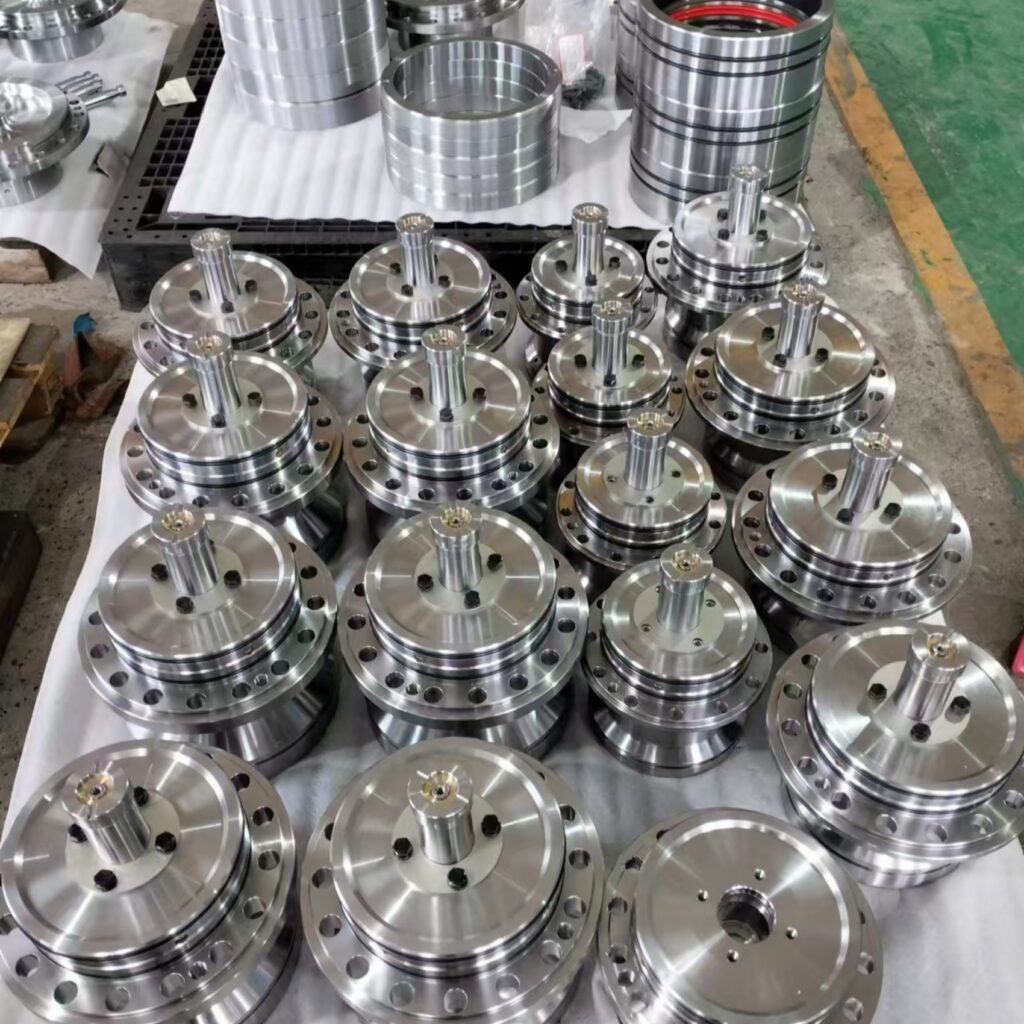
Have you ever wondered what makes hydraulic cylinders so powerful yet precise? These mechanical marvels convert fluid power into controlled motion. But to understand their true potential, we need to look inside.
The main components of a hydraulic cylinder are the barrel, piston, rod, seals, and end caps. These parts work together to create powerful linear motion while preventing leaks and contamination. Each component has specific functions that affect performance and lifespan.
Without properly functioning parts, even the strongest cylinder will fail. Let’s examine what makes each component special – and why maintenance matters.
How Does the Cylinder Barrel Affect Performance?
A cracked barrel means trouble. This vital component houses all the moving parts under high pressure.
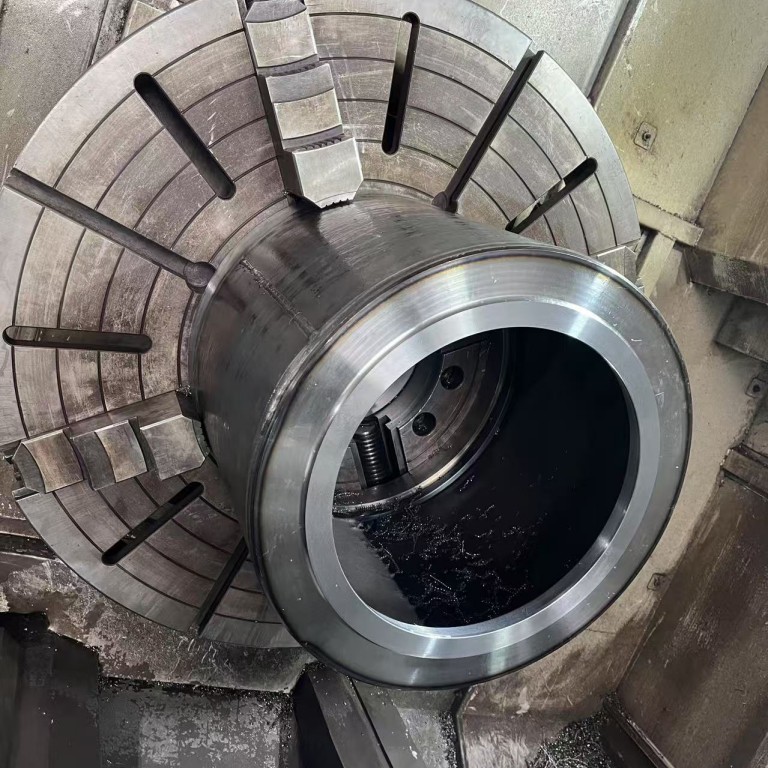
The cylinder barrel is the main structural component that contains hydraulic fluid and guides piston movement. Its precise internal machining ensures smooth operation and prevents fluid leakage between chambers.
Think of the barrel as the cylinder’s backbone. Three critical factors determine its quality:
Material Strength: Most barrels use cold-drawn seamless steel tubes. The material must withstand:
- Operating pressure (typically 150-300 bar)
- Side loads and shock forces
- Environmental conditions (humidity, temperature changes)
Surface Finish: The interior requires:
- Mirror-smooth finish (Ra 0.2-0.4μm typically)
- Consistent diameter along entire length
- No scratches or tool marks
Dimensional Accuracy: Even slight deviations cause:
- Increased friction
- Uneven wear
- Premature seal failure
When inspecting a barrel, watch for these warning signs:
- Visible scoring (can feel with finger)
- Internal pitting or corrosion
- Oval deformation (measure diameter at multiple points)
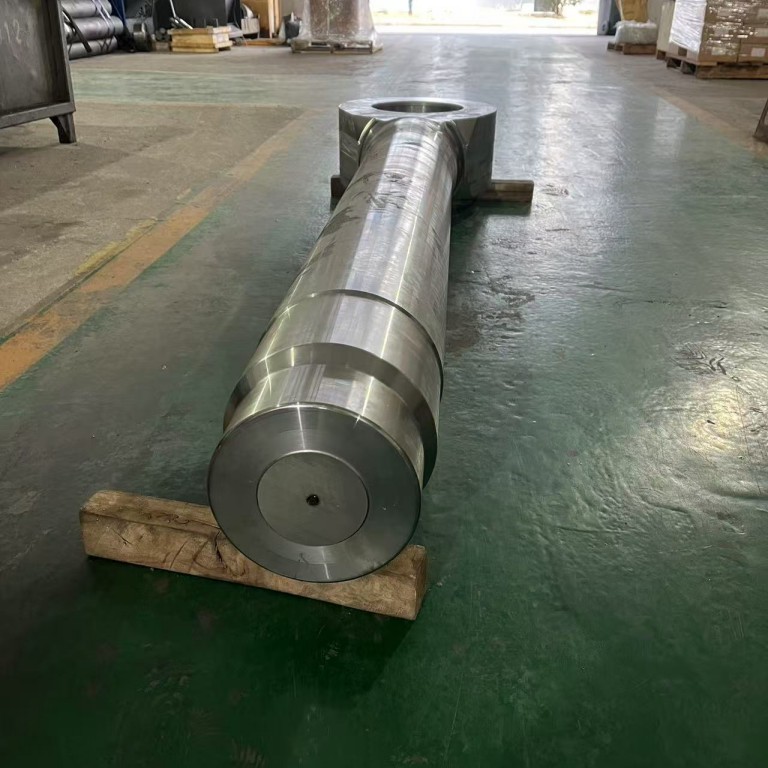
What’s the Role of the Piston and Rod Assembly?
The piston and rod transform fluid pressure into mechanical force. This is where the real work happens.
The piston divides the barrel into two pressure chambers, while the rod transfers force to the load. Their precision machining and alignment ensure efficient power transfer with minimal energy loss.
Key considerations for piston and rod performance:
Piston Design Factors
- Seal groove dimensions (affects sealing pressure)
- Bearing surface area (reduces side load wear)
- Weight (affects response speed)
Rod Critical Features
- Hard chrome plating (typically 0.05-0.1mm thick)
- Surface finish (Ra 0.1-0.3μm optimal)
- Straightness (max 0.1mm per meter)
Common failure modes include:
- Rod bending from overload
- Chrome plating peeling
- Piston seal groove wear
For heavy-duty applications, consider:
- Larger rod diameters (better stability)
- Rod anti-rotation features
- Hardened steel materials
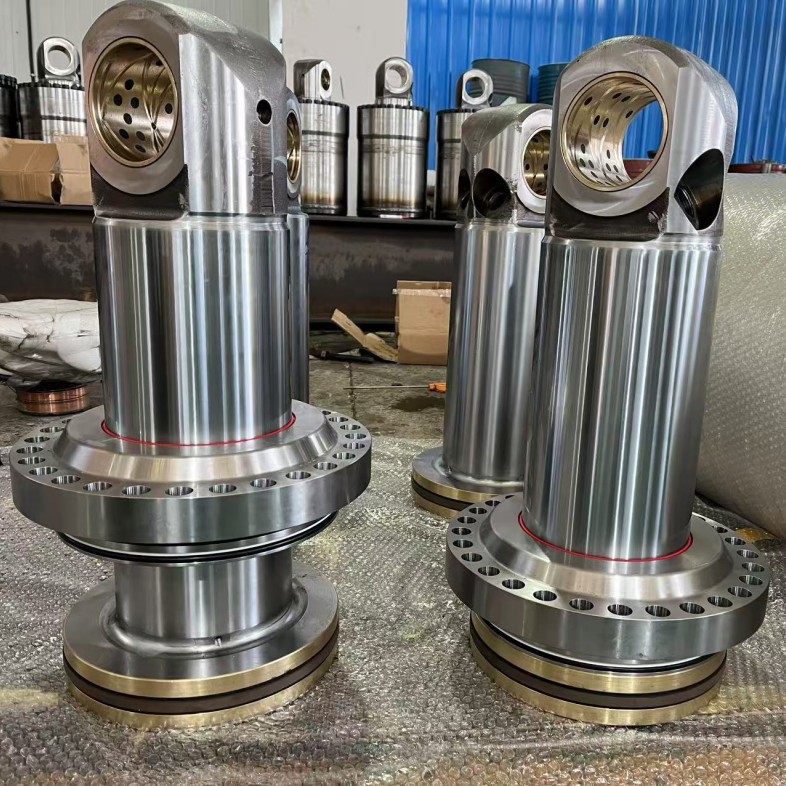
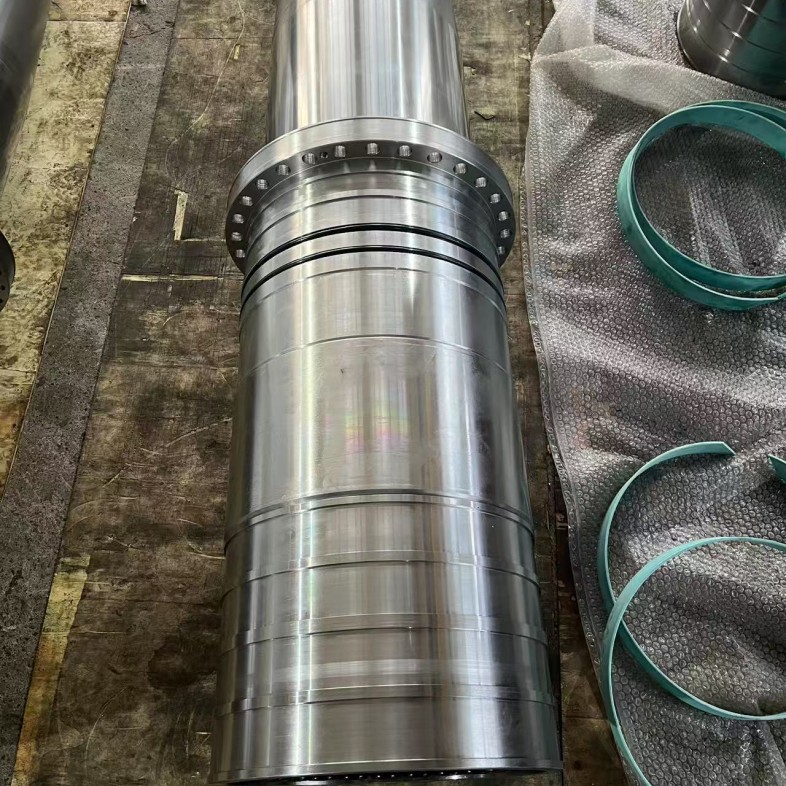
Why Are Hydraulic Cylinder Seals So Critical?
Seal failure causes most hydraulic cylinder breakdowns. These unsung heroes work under extreme conditions.
Hydraulic cylinder seals prevent fluid leakage and contamination. Main types include rod seals, piston seals, and wipers – each serving distinct but equally vital functions in the system.
Let’s examine the seal types and their specific roles:
| Seal Type | Location | Primary Function | Common Materials |
|---|---|---|---|
| Rod Seal | End cap | Prevents fluid leakage along rod | Polyurethane, Nitrile |
| Piston Seal | Piston outer diameter | Separates pressure zones | Cast iron, PTFE composites |
| Wiper Seal | Outer end cap | Removes contaminants from rod | Polyurethane, rubber |
| Wear Ring | Piston sides | Reduces metal-to-metal contact | PTFE, nylon |
Seal failure typically shows through:
- External fluid leaks
- Reduced lifting/pushing force
- Contaminated fluid (darker color, particles)
- Erratic cylinder movement
Pro tip: Always replace seals in complete sets. Mixing old and new seals often causes premature failure.
Conclusion
Understanding hydraulic cylinder components helps optimize performance and prevent costly failures. Regular inspection of seals, rods, and mounts extends equipment life significantly.
About Me
As a senior hydraulic cylinder engineer, I’ve helped hundreds of clients to purchase the right cylinders for their equipment. Quality components and proper maintenance always pay off in the long run. Need specific advice? Let’s discuss your application.